 Toronto FC Hub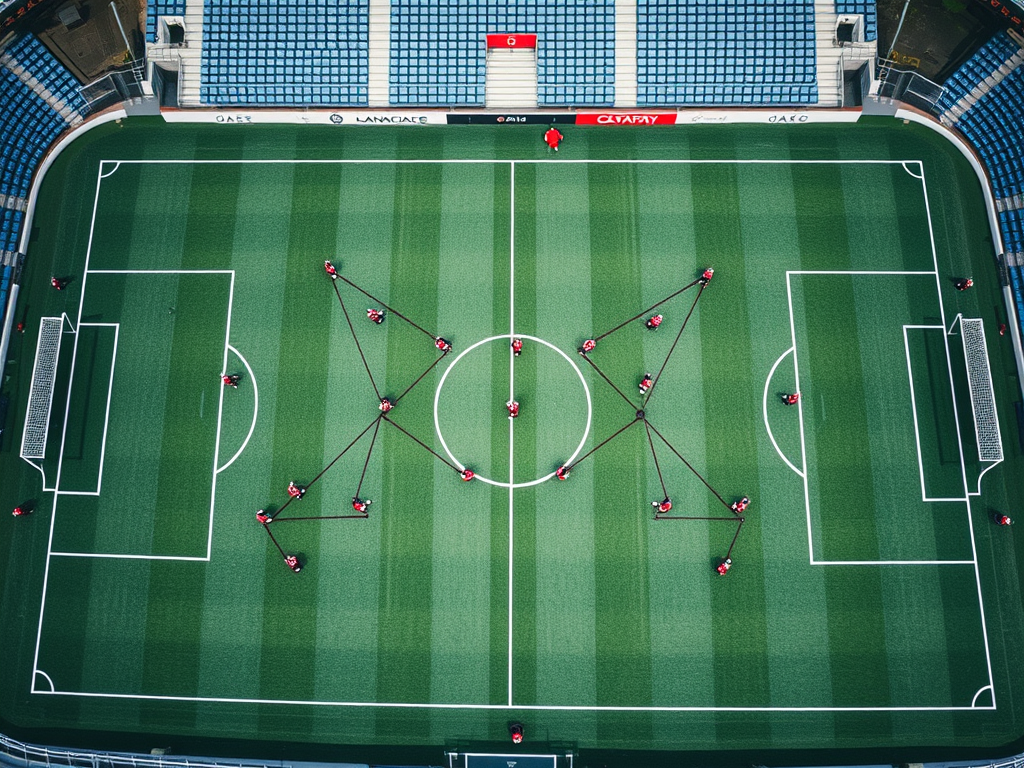
As the season progresses, Toronto has distinguished itself through a tactical evolution that emphasizes rapid counter-attacking play. The team, under its current management, has adapted its formation to harness the explosive pace of its attacking players, consistently catching rivals off-guard. This article delves into how Toronto has refined its strategy to create goal-scoring opportunities quickly.
A noticeable aspect of Toronto's counter-attacks is their swift transition from defense to attack. Utilizing players like F. Bank and A. Bossenberry, who excel in fast-paced moves, Toronto effectively moves the ball upfield. The midfield acts as a crucial link, with players like J. Cifuentes providing the necessary support and vision to exploit gaps in the opposing defense. Each match shows this approach in action, swift passes and intelligent runs by forwards cause chaos for defenders, making it tough for them to regroup.
The role of goalkeeper A. De Rosario should not be underestimated either. His distribution skills allow for quick restarts, launching counter-attacks before the opposition can set themselves. It's a risky strategy; however, when executed well, it pays dividends. Analyzing recent matches shows that Toronto has earned multiple goals from such tactics, underlining their effectiveness. Stats and figures
In the last five matches, Toronto has demonstrated their proficiency in launching counter-attacks, averaging two goals per game and maintaining a strong defensive record. Here's a quick overview of their attacking output:
| Player | Goals | Assists | Key Passes |
|---|---|---|---|
| F. Bank | 4 | 2 | 5 |
| A. Bossenberry | 3 | 4 | 3 |
| J. Cifuentes | 2 | 1 | 7 |
With the playoffs on the horizon, Toronto's counter-attacking style could be a defining factor in their quest for success. As their tactical evolution continues, analysts and fans alike eagerly await to see how effectively they integrate these strategies in crucial matches ahead.