 Toronto FC Hub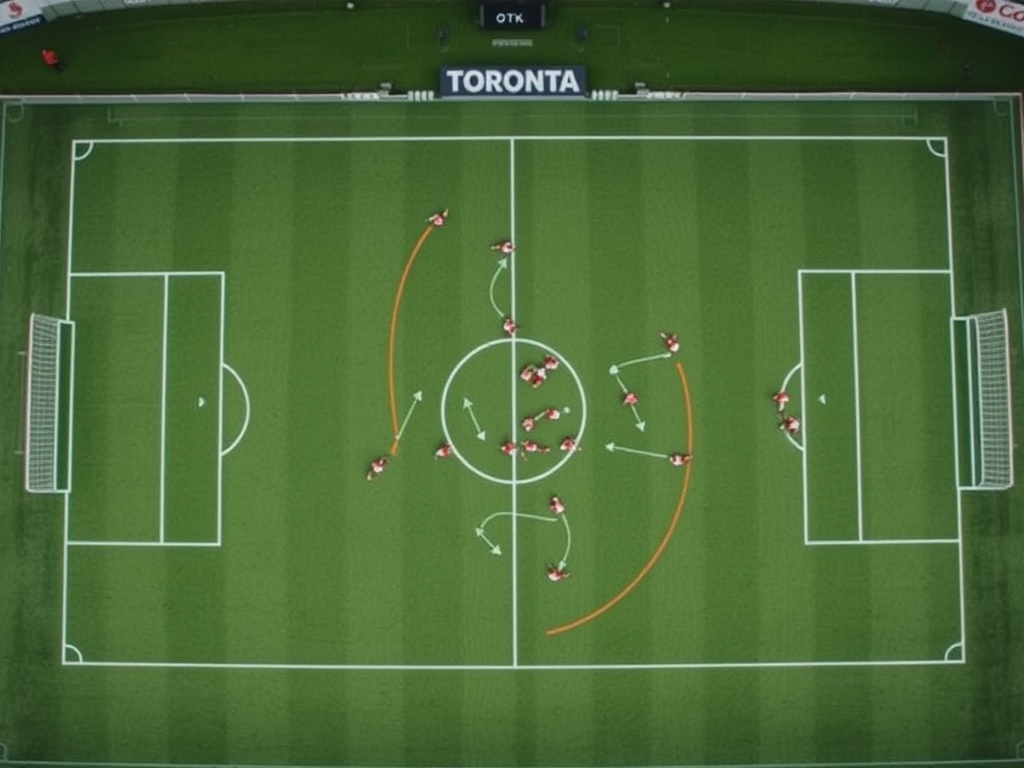
After years of tactical stagnation, Toronto FC is undergoing a significant transformation this season. The shift has been notable in how the team shapes up defensively and in the attacking third. Recent matches reveal an emphasis on ball retention and high pressing, designed to regain possession quickly. This new approach seems tailored to the skill sets of key players like J. Cifuentes and A. Bossenberry.
One aspect that stands out is the flexibility in formation. Toronto has switched between a 4-3-3 and a 4-2-3-1 setup depending on the opposition. Against Montreal Impact, for instance, the team opted for a 4-3-3, allowing Cifuentes to control the tempo in midfield while De Rosario and Bank provided width. It's a calculated decision that paid dividends by stretching defenses and creating space for overlapping runs.
Defensively, M. Chisholm's leadership has shone through. His commanding presence has helped the backline remain cohesive while the attacking players press high up the pitch. The team has also focused on creating numerical advantages in midfield, enabling them to dominate possession and dictate the game's rhythm.
As seen in Toronto's recent match, this tactical evolution is not merely theoretical. Their work on pressing and shape has translated to concrete results. The team is adapting to executing quick transitions, illustrated perfectly when Bank scored against Montreal. By creating a well-oiled machine, this season may just be the turning point for The Reds.